
Nutrition Food Support for Pregnant and Nursing Women in Rasuwa and Nuwakot Districts
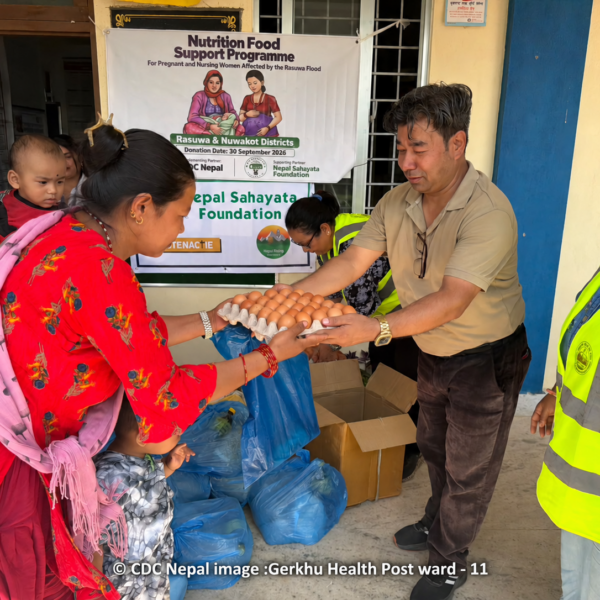
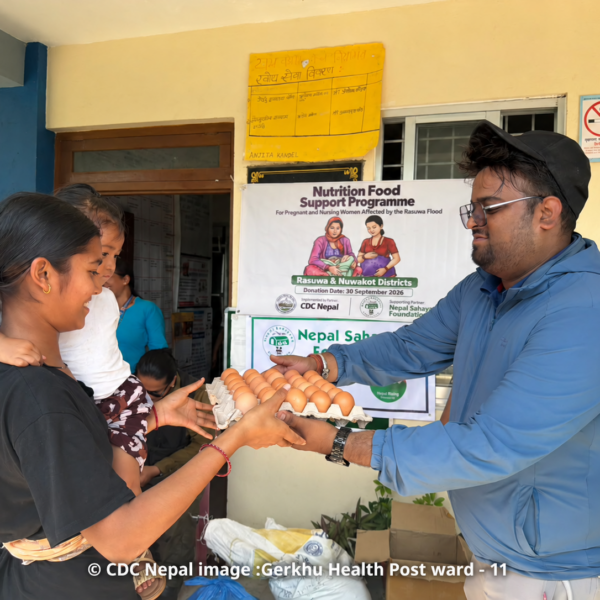
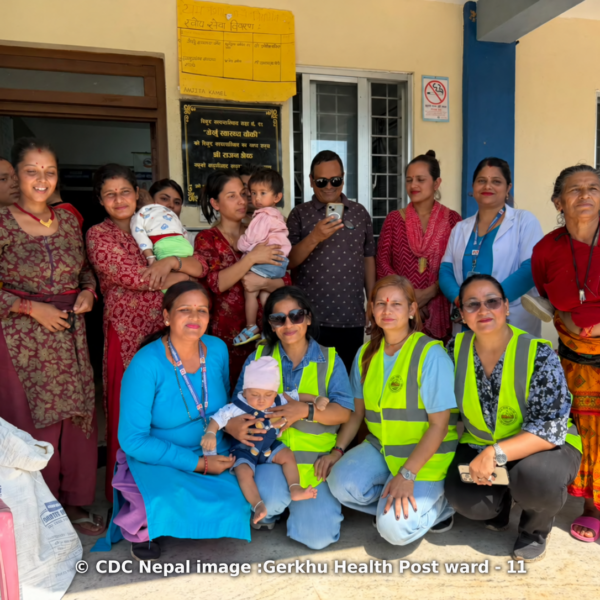
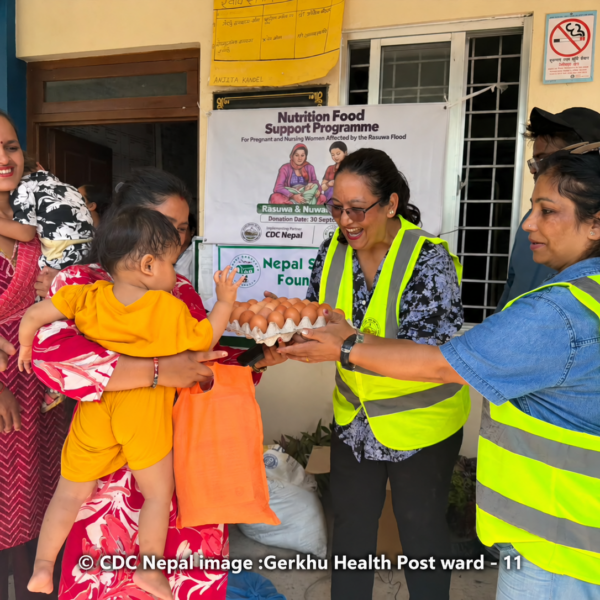
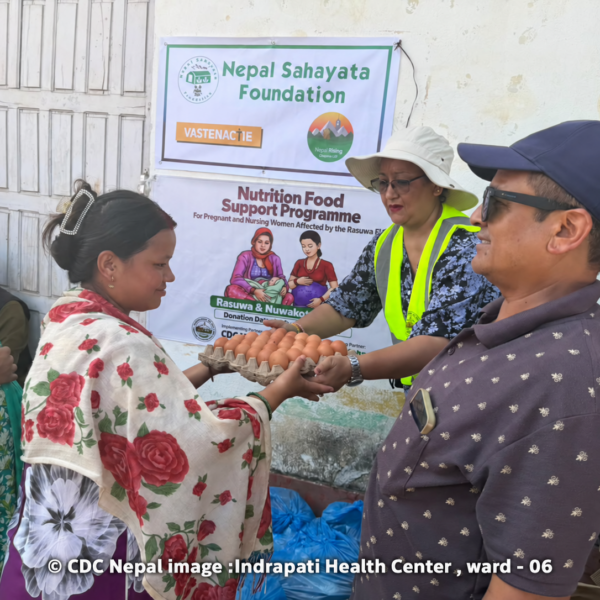
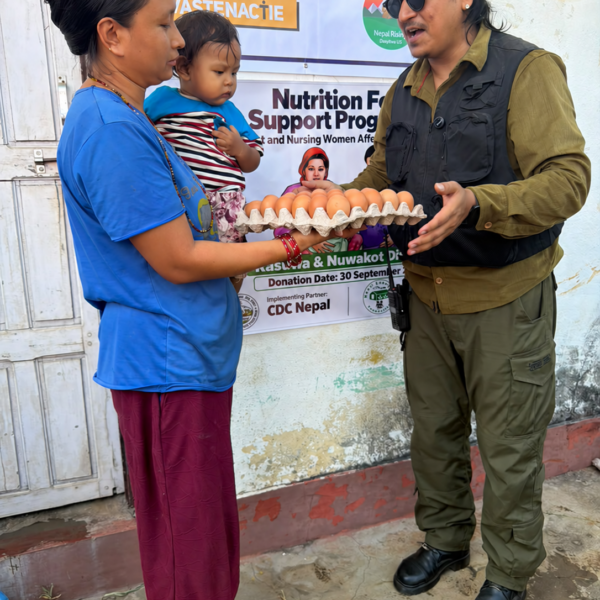
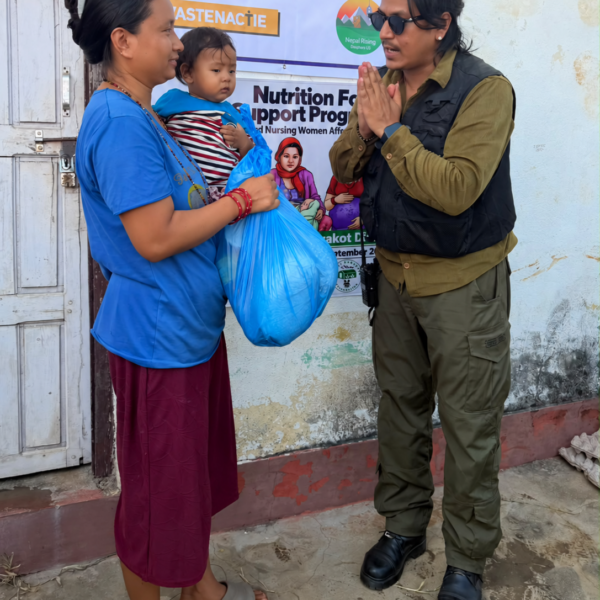
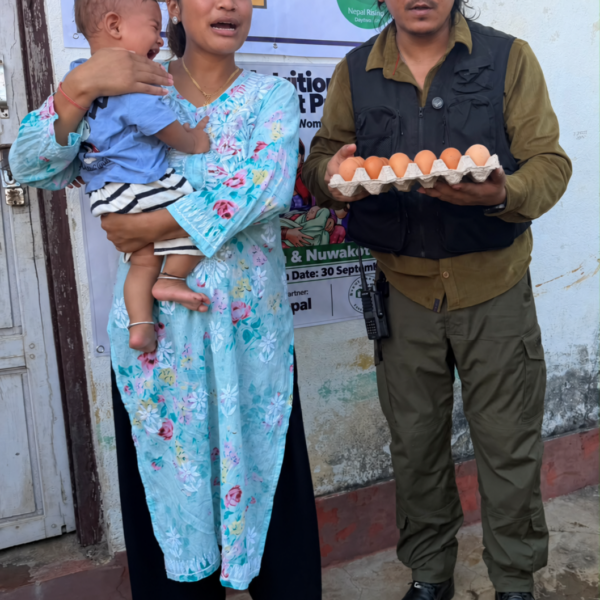
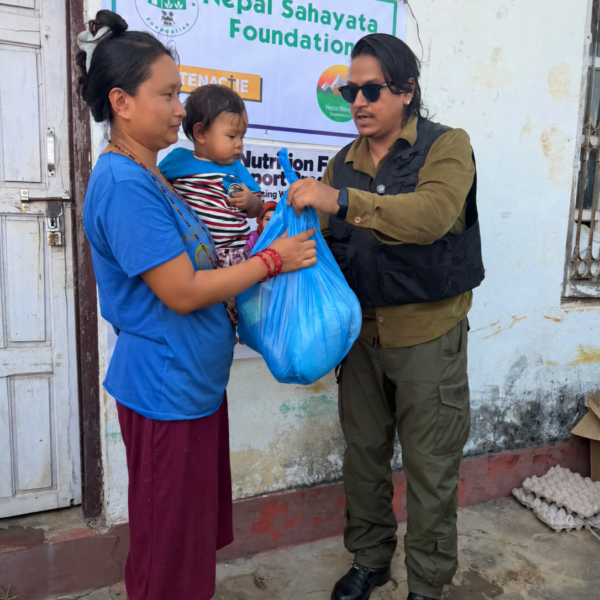
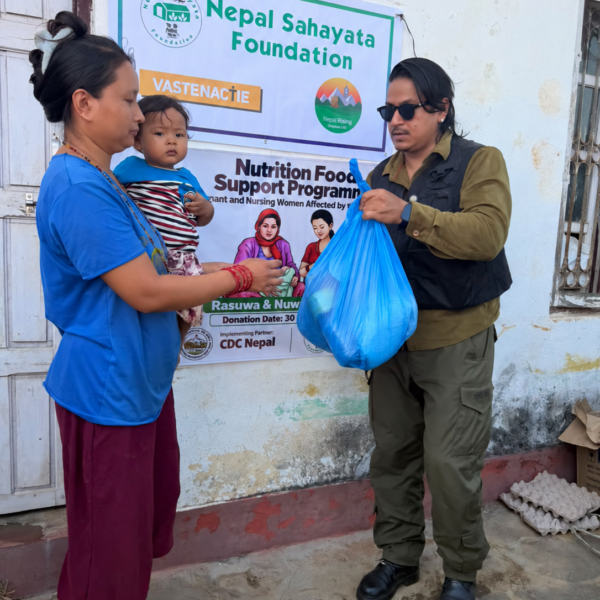
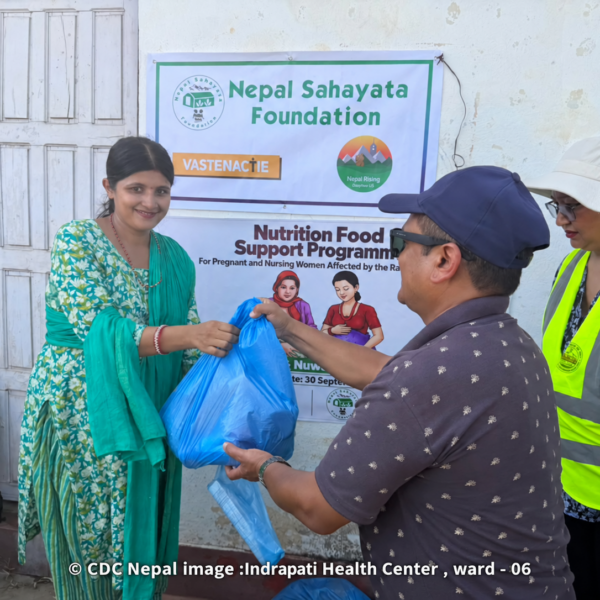
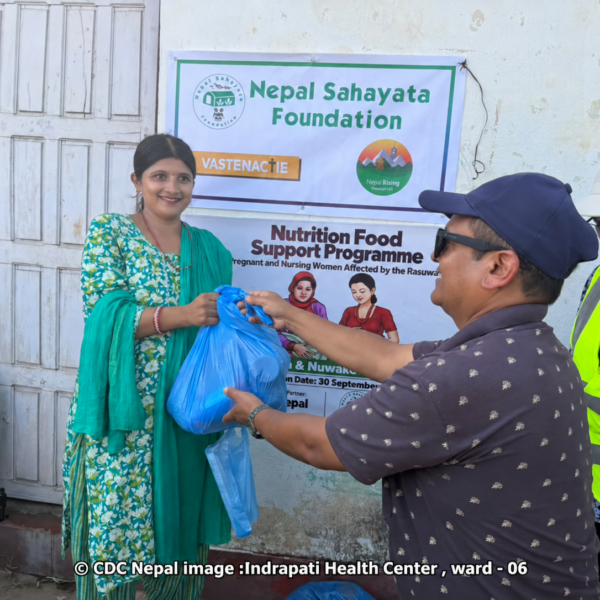
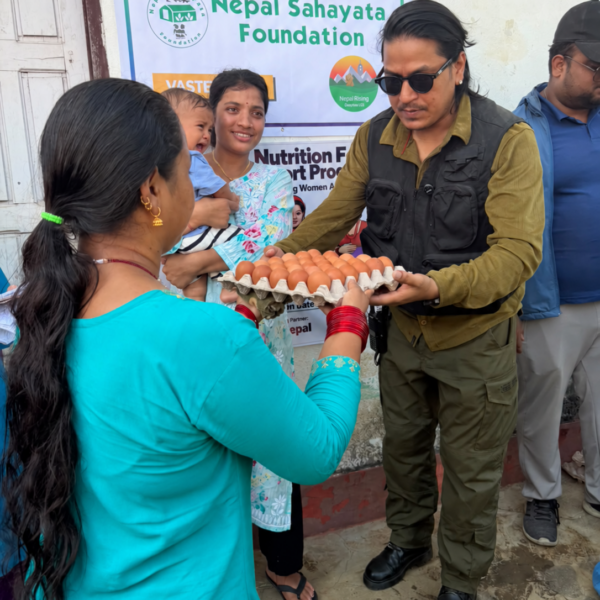
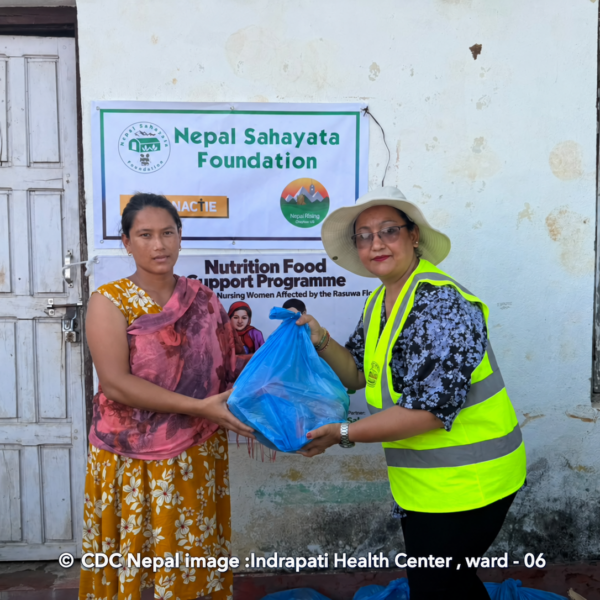
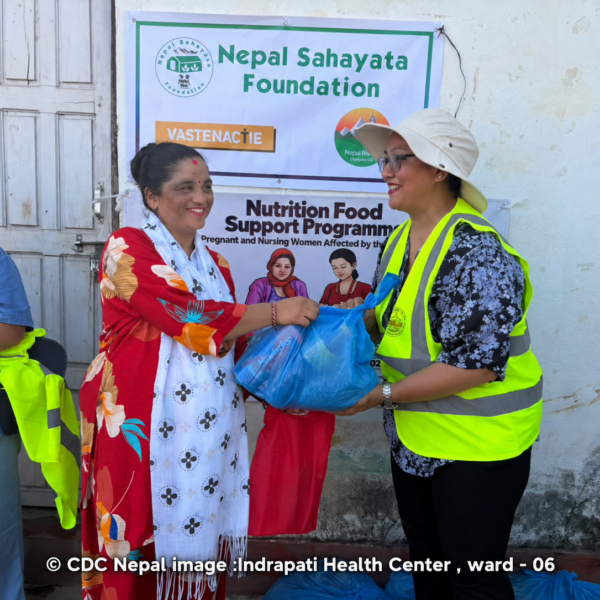
In partnership with Nepal Sahayata Foundation, CDC Nepal provided 150 nutrition food packages through four health facilities, supporting pregnant and breastfeeding women affected by the Rasuwa flood.
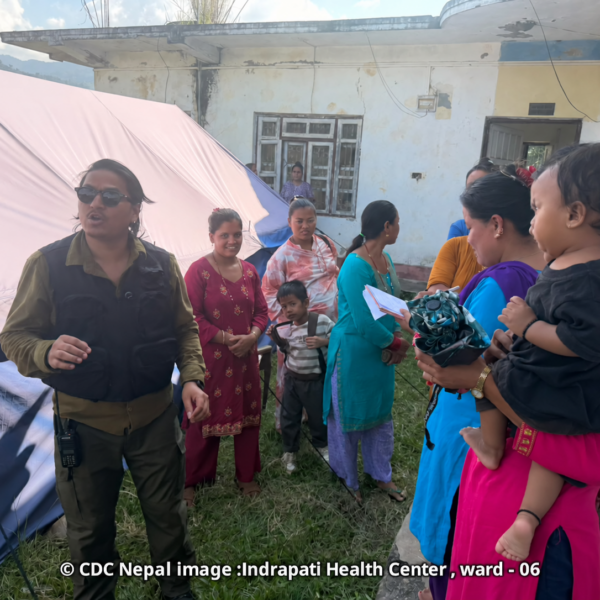
Community Development Center Nepal (CDC Nepal) has completed the Nutrition Food Support Programme for Pregnant and Lactating Women Affected by the Rasuwa Flood, bringing essential food assistance to affected communities in Nuwakot District, Bagmati Province.
Implemented during 27 September–3 October 2026, the programme was supported by Nepal Sahayata Foundation . CDC Nepal led procurement, packaging, transport, local coordination, distribution and field monitoring.
A total of 150 nutrition packages were allocated across four health facilities, including five packages entrusted to Ghantaghar Urban Health Centre for eligible women who could not attend the distribution.
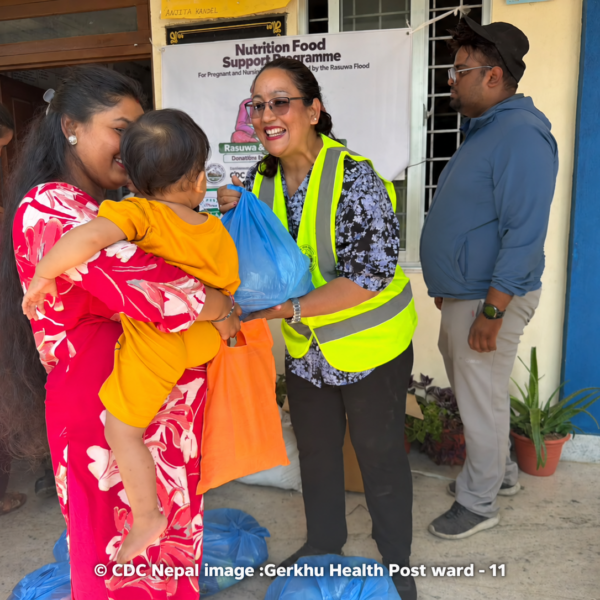
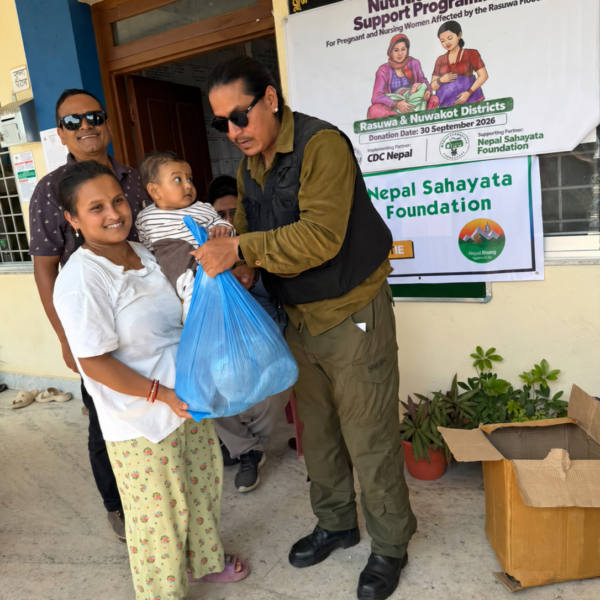
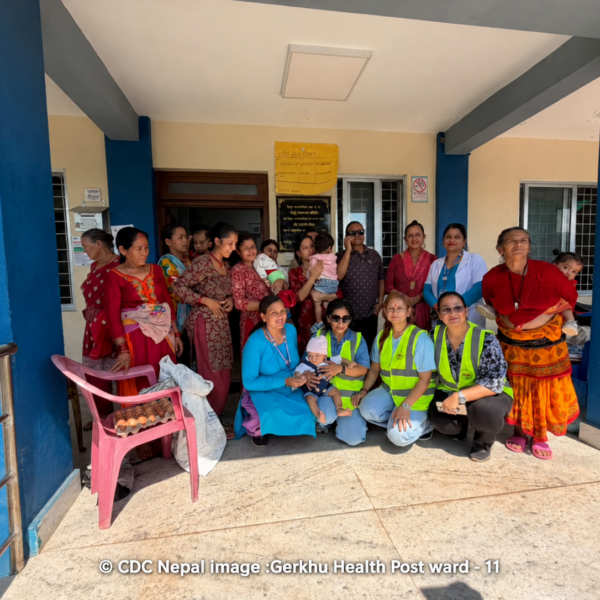
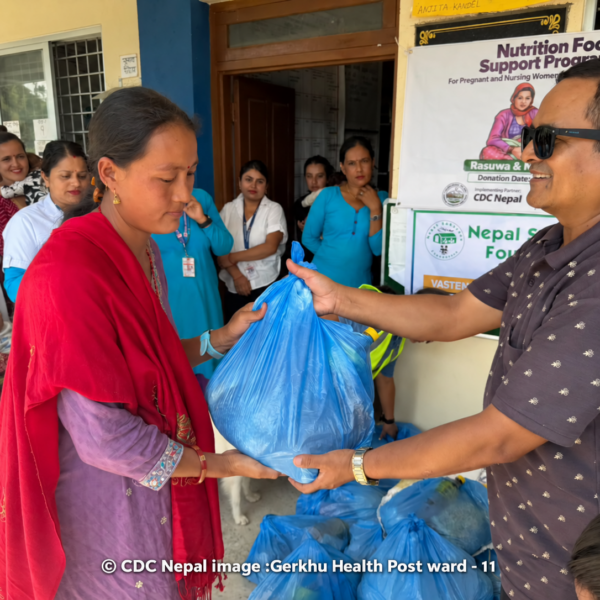
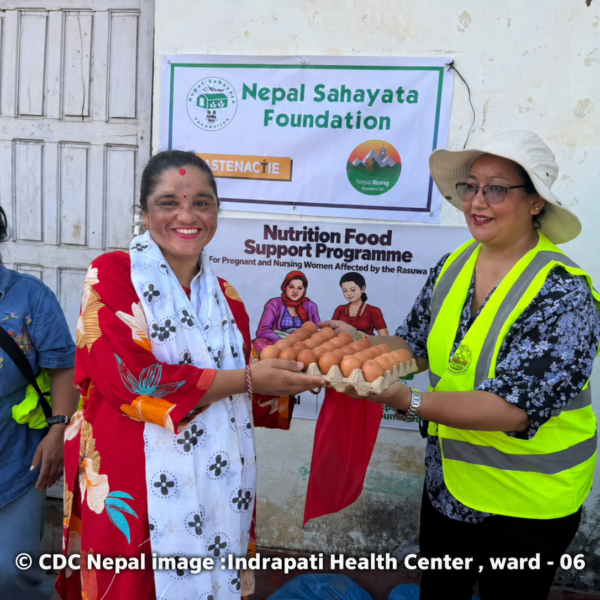
Responding to Needs Identified in the Field
The Rasuwa flood disrupted lives beyond the district itself, affecting families in neighbouring areas and damaging roads and bridges. Displacement, interrupted access to markets and financial hardship made it more difficult for affected households to meet their daily needs.
During its rapid field assessment, CDC Nepal worked with local health facilities to identify pregnant and breastfeeding women facing limited access to nutritious food. The programme was developed to provide immediate food assistance, prioritising displaced and economically vulnerable households.
By coordinating with existing health facilities, CDC Nepal connected the distribution with institutions already serving women through
CDC Nepal’s Role in Programme Delivery
CDC Nepal managed the practical steps needed to move assistance from procurement to community distribution. Food commodities were purchased in Kathmandu, assembled into packages and transported to the affected areas.
The implementation involved:
-
Procuring food supplies according to the approved package composition.
-
Preparing 150 packages for pregnant and breastfeeding women.
-
Coordinating with health facility staff to identify eligible recipients.
-
Arranging transport and adapting delivery methods where access was disrupted.
-
Supporting distribution and maintaining programme documentation.
CDC Nepal’s President and Treasurer were present during the field response, overseeing the handling and distribution of relief supplies.
Distribution Through Four Health Facilities
CDC Nepal worked with health facility in-charges to organise assistance across the following locations:
| Distribution location | Ward | Nutrition packages |
|---|---|---|
| Inarpati Health Centre | 6 | 40 |
| Ghantaghar Urban Health Centre, Battar | 4 | 30 |
| Gerkhu Health Post | 11 | 25 |
| Trishuli Hospital distribution site | 1 | 50 |
| Additional packages held at Ghantaghar for women unable to attend | 4 | 5 |
| Total | 150 |
Five packages were left with the in-charge at Ghantaghar Urban Health Centre against a written acknowledgement for later distribution to registered women who could not attend that day.
What the Nutrition Packages Contained
The programme prepared 75 packages intended for pregnant women and 75 intended for breastfeeding women. This was the package procurement plan; individual pregnancy and breastfeeding status was not separately recorded in the beneficiary register.
The packages included familiar household foods such as:
-
Eggs.
-
Kwati, a mixture of beans.
-
Ghee and mustard oil.
-
Satu, a roasted grain or pulse flour.
-
Horlicks.
-
Whole green mung dal.
Additional items varied by package type and included jwano, fenugreek seeds, sesame seeds, chaku and chickpeas.
The food assistance was intended to supplement household supplies during recovery. The programme did not measure changes in maternal health or nutritional status following distribution.
Reaching Communities Despite Damaged Infrastructure
Damaged roads and bridges created significant challenges for transporting relief materials.
For the Trishuli Hospital distribution site, consignments had to be transferred using a tuin, or river ropeway, because normal road and bridge access remained disrupted. Hospital staff then carried out distribution at that location.
CDC Nepal also managed delays related to revised relief clearance procedures. These challenges required close coordination and adjustments to delivery arrangements so that assistance could reach the designated facilities.
Partnership with Nepal Sahayata Foundation
The programme was made possible through the financial support of Nepal Sahayata Foundation, with CDC Nepal serving as the implementing organisation.
Field engagement also included additional assessment activities at Devighat, visits to holding centres sheltering displaced families from Rasuwa, and a coordination meeting with the Chief District Officer of Nuwakot. These activities helped identify continuing needs beyond the immediate food distribution.
CDC Nepal sincerely thanks Nepal Sahayata Foundation, participating health facilities, local authorities, field personnel and community members for their contribution to the response.
Documentation and Follow-Up
At the time of reporting, CDC Nepal held beneficiary records for 95 recipients. Distribution records for the 50 packages handled through Trishuli Hospital, together with confirmation of the final recipients of the five reserve packages at Ghantaghar, remained pending.
CDC Nepal identified completion of these records as a follow-up priority. No loss or diversion of relief supplies was recorded during implementation.
Continuing Support for Mothers and Families
The response highlighted continuing needs among flood-affected households. CDC Nepal’s report recommends exploring a further round of 200 nutrition packages, alongside winter clothing support for children from displaced Rasuwa families. These are proposed next steps, subject to resources and partner support.
CDC Nepal remains committed to working with health facilities, local authorities, humanitarian partners and affected communities to provide assistance guided by field assessments and verified needs.
Together, we stand with mothers, children and families as they rebuild their lives after the floods.
antenatal and postnatal care.